Public speaking
7 principles worth knowing here.

Outgroup Homogeneity Bias
Address diverse audiences without leaning on assumptions about what "they" all think.
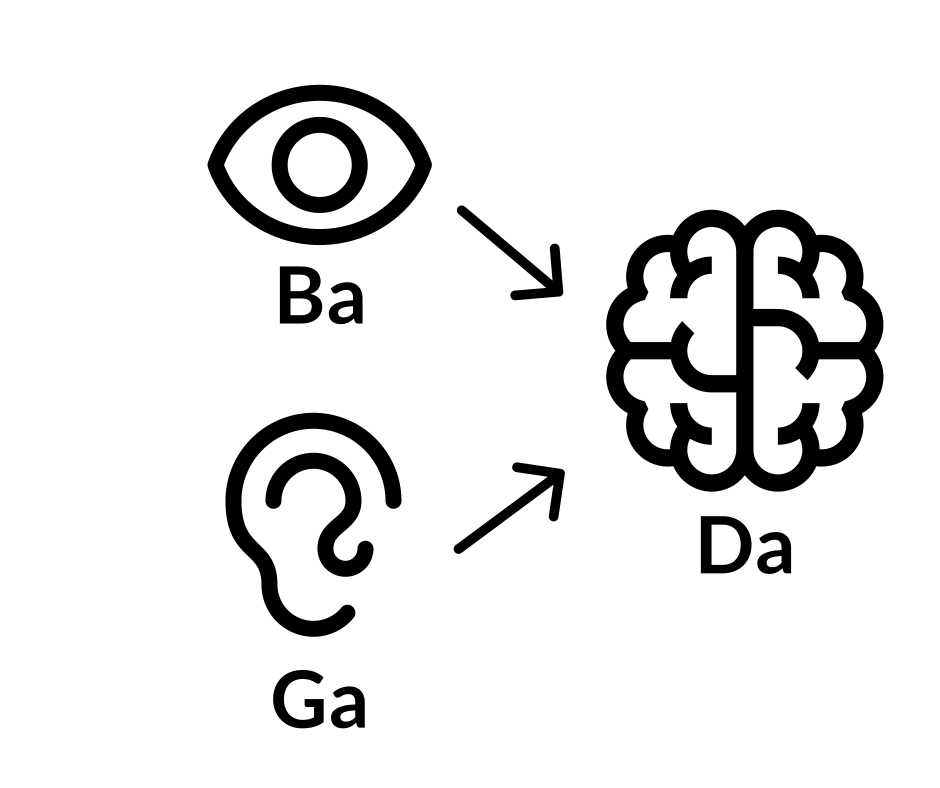
McGurk Effect
Communicating more clearly with crisp articulation and engaging body language.

Plutchik's Wheel
Reading your audience's emotions and shaping your message to resonate with them.
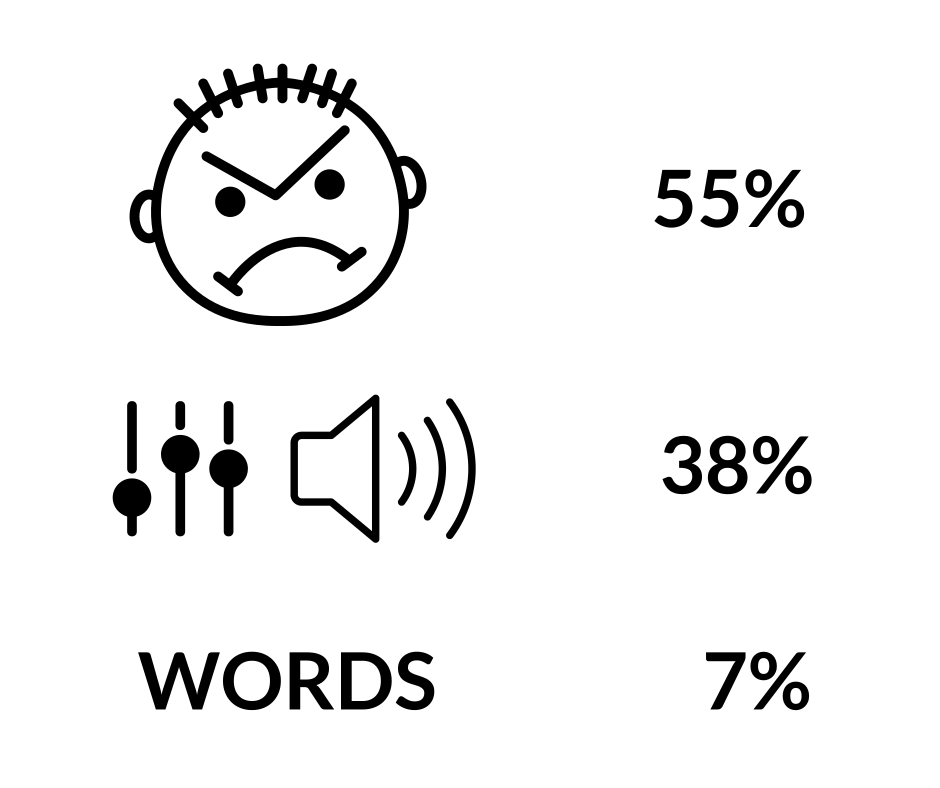
7-38-55 Rule
Holding your audience with effective non-verbal cues and a well-modulated voice.

Skinner's Superstition Experiment
Thorough preparation and practice make a good speech, not a ritual.
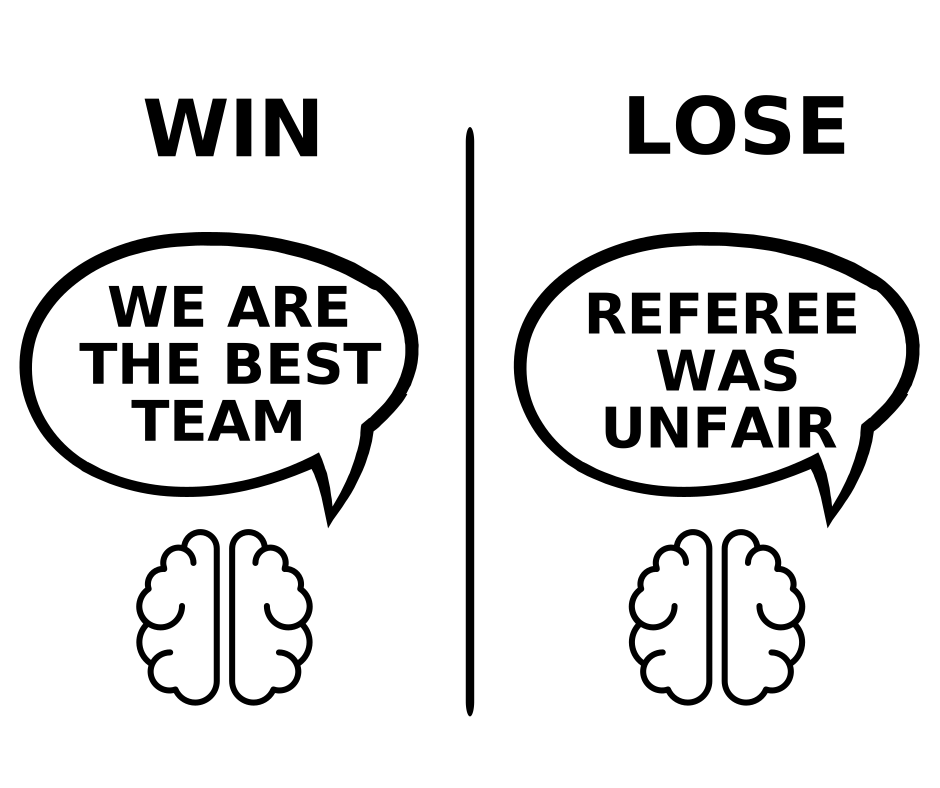
Self-Serving Bias
Remembering that we inflate our own good reviews keeps you humble and still improving after a strong talk.
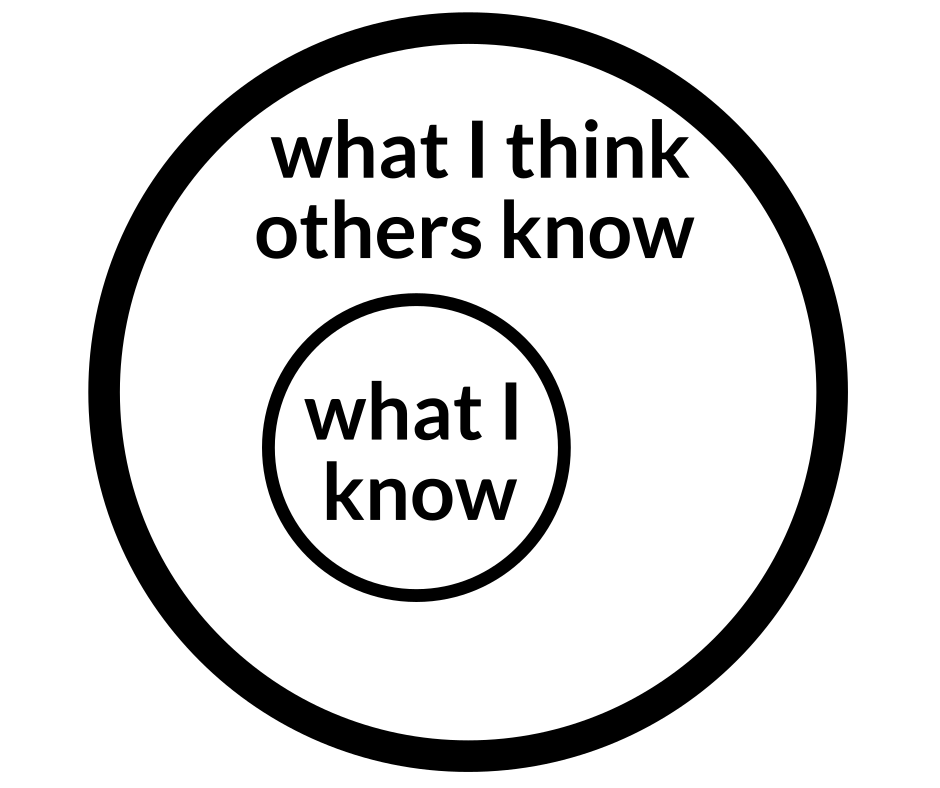
Imposter Syndrome
Focus on what you know rather than fearing the audience will find you unqualified.
Similar situations
Learning a New Skill
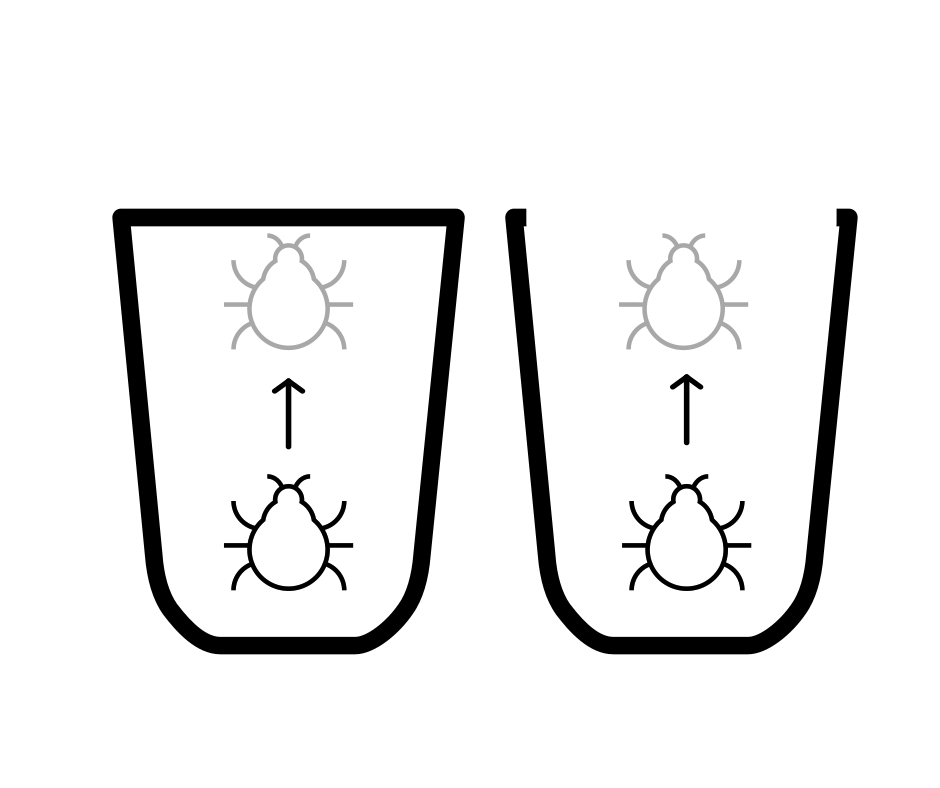
Flea In a Jar
Struggling early with coding, music or public speaking says nothing about your ceiling, and persistence is what breaks through it.
Public Health Campaigns
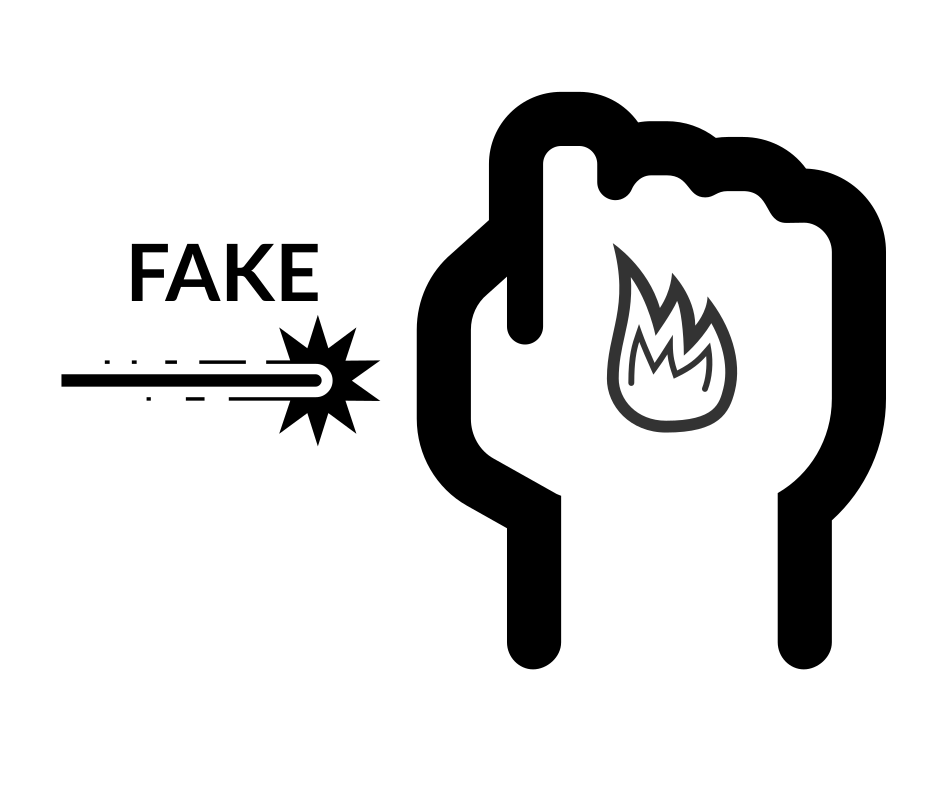
Nocebo Effect
Craft messages that inform the public without creating nocebo harms.

Calling out disrespectful behavior gently but firmly
Broken Window Effect
Speaking up early stops bad social norms from escalating.

Making Charitable Donations
Halo Effect
Give based on a charity's real impact rather than its public image.
Political engagement
Morris Massey's Stages of Value Development
Politicians can connect with voters by speaking to values that matter to different age groups and demographics.

Urban Planning
Poggendorff Illusion
Planners can factor in the illusion when laying out streets, crosswalks and other public spaces.
Public Announcements
McGurk Effect
Pairing spoken information with visual aids so it's easier to understand.

Public Education
Moloch Monster
Allocating resources so that every student's outcomes improve counters a race where only some win.
Tackling public health or societal issues
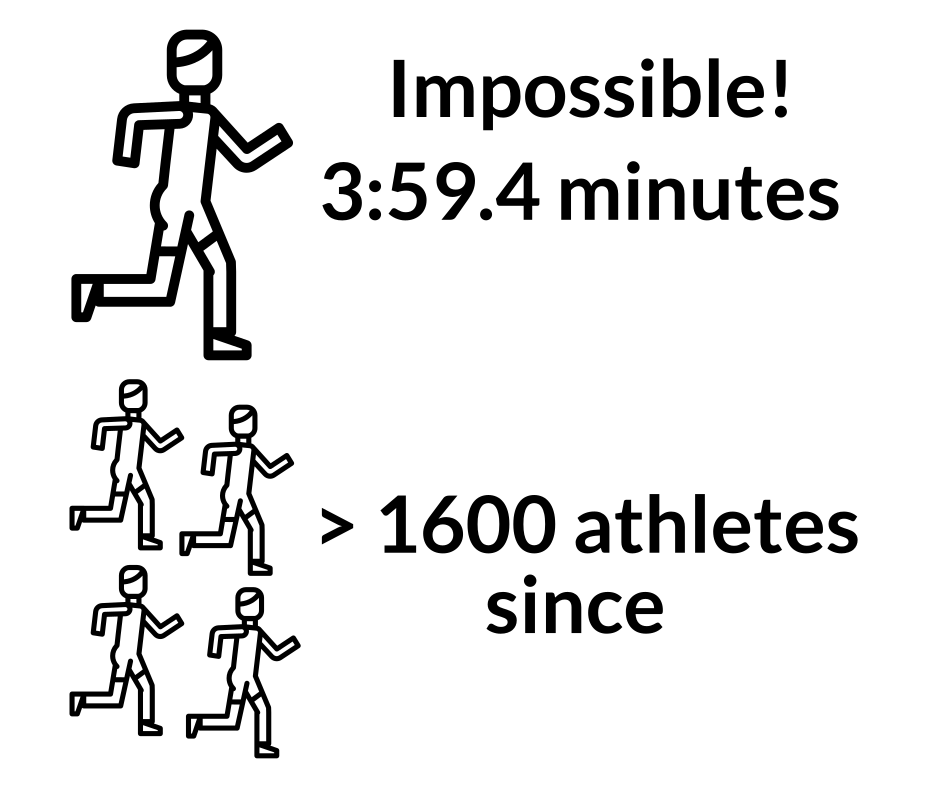
Bannister Effect
Recognising that others have changed health habits, like eating less junk food or exercising more, shows that change is possible.

Group decision-making
Stanford Prison Experiment by Zimbardo
Give everyone an equal voice, whatever the pecking order.